
Magnetic Resonance Imaging (MRI)
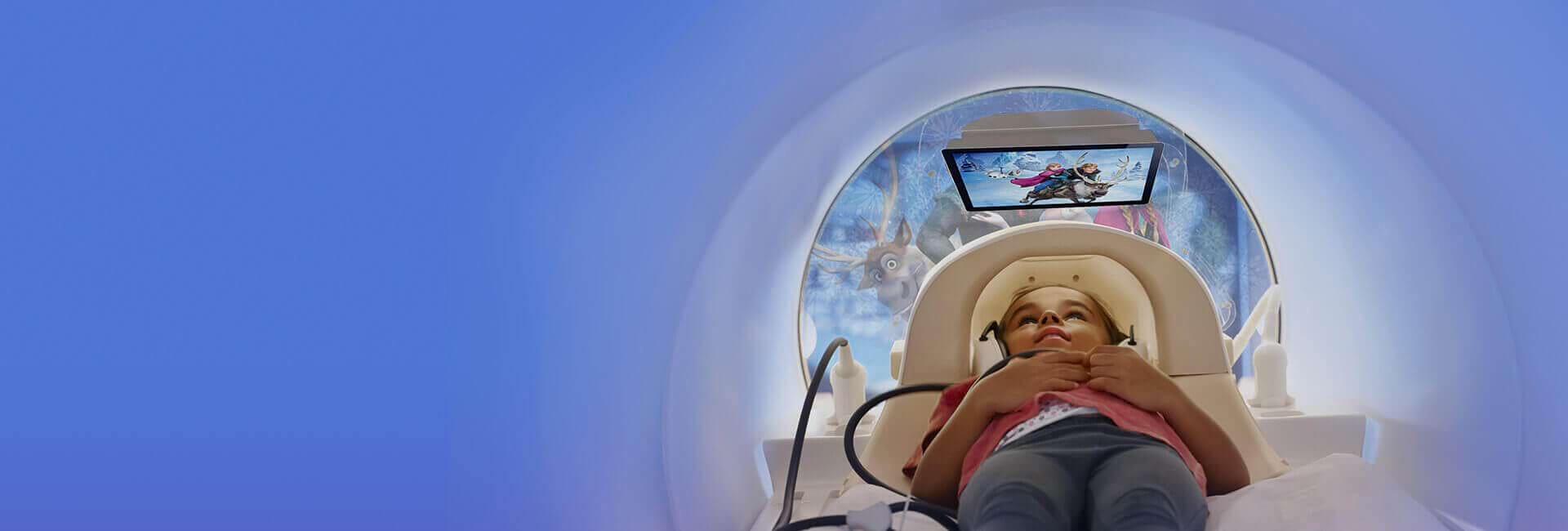
Magnetic Resonance Imaging (MRI) is a non-invasive diagnostic technique that uses powerful magnets and radio waves to produce detailed images of the body’s internal structures. It is especially effective for examining the brain, spine, joints, and soft tissues with high precision. MRI scans are safe, painless, and do not involve radiation exposure. Our advanced MRI solutions ensure accurate diagnosis supported by experienced radiologists and modern technology. With a focus on patient comfort and timely reporting, we deliver reliable imaging for better clinical outcomes.

Our Comprehensive MRI Services Across Dubai

MRI Brain
High-resolution brain scan detecting stroke, tumors, inflammation

MRI Face
Contrast-enhanced facial imaging detecting tumors, infections
MRI Cervical Spine
Complete spine assessment covering cervical, thoracic, and lumbar regions

MRI Dorsal Spine
Detailed Dorsal spine imaging to evaluate discs, nerves, and spinal alignment.

MRI Lumbar Spine
High-resolution brain scan detecting stroke, tumors, inflammation

MRI Breast
Advanced breast imaging with contrast detecting tumors and suspicious abnormalities.

MRI Abdomen
Comprehensive abdominal imaging assessing liver, kidneys, pancreas

MRI Pelvic
Detailed pelvic scan diagnosing reproductive, musculoskeletal conditions
MRI Prostate
Specialized prostate imaging detecting cancer, enlargement,abnormalities.
MRI Pelvic
Detailed pelvic scan diagnosing reproductive, musculoskeletal conditions

MRI Hip
High-definition hip imaging detecting arthritis, fractures, and soft tissue injuries.

MRI Knee
Accurate knee joint evaluation for ligament tears, cartilage damage, and pain.

MRI Ankle
Detailed ankle imaging diagnosing ligament injuries and joint instability.
MRI Foot
Accurate foot joint evaluation for ligament tears, cartilage damage, and pain.

MRI Extimity
Focused Extimity scan evaluating jaw joint pain and dysfunction.

MRI Extrimities
MRI imaging for arms, legs, joints, and extremities with precise diagnosis and detailed soft tissue evaluation.
MRI scan any body part plain / contrast
Magnetic Resonance Imaging (MRI) is a non-invasive diagnostic technique that uses powerful magnets and radio waves to produce detailed images of the body’s internal structures. It is especially effective for examining the brain, spine, joints, and soft tissues with high precision. MRI scans are safe, painless, and do not involve radiation exposure. Our advanced MRI solutions ensure accurate diagnosis supported by experienced radiologists and modern technology. With a focus on patient comfort and timely reporting, we deliver reliable imaging for better clinical outcomes.
MRI Spine MRI MRCP, MRI Breast
MRI Spine
MRI Spine is used to evaluate the spinal cord, discs, nerves, and surrounding tissues. It helps diagnose conditions like slipped disc, nerve compression, spinal injuries, infections, and tumors. This scan provides highly detailed images without radiation, making it safe and effective. It is commonly recommended for back pain, neck pain, or neurological symptoms. The procedure is non-invasive and ensures accurate diagnosis for proper treatment planning.
MRI MRCP (Magnetic Resonance Cholangiopancreatography)
MRI MRCP is a specialized scan used to visualize the bile ducts, gallbladder, liver, and pancreas. It helps detect gallstones, blockages, strictures, and pancreatic disorders without the need for invasive procedures. This technique provides clear images of fluid-filled structures and is completely radiation-free. It is especially useful in diagnosing liver and biliary conditions safely and accurately. The scan is painless and requires minimal preparation.
MRI Breast
MRI Breast is a highly sensitive imaging technique used to detect and evaluate breast abnormalities. It is often recommended for screening high-risk patients, assessing lumps, implants, or inconclusive mammogram results. Contrast-enhanced MRI provides detailed visualization of breast tissues and helps in early detection of cancer. The procedure is safe, non-invasive, and offers superior accuracy compared to other imaging methods. It plays a crucial role in diagnosis, treatment planning, and follow-up.
MRI Whole Body screening
MRI Whole Body Screening is a comprehensive, non-invasive diagnostic scan that evaluates the entire body in a single session. It helps in the early detection of various conditions such as tumors, infections, neurological disorders, and musculoskeletal abnormalities. This advanced imaging technique uses powerful magnets and radio waves, ensuring a completely radiation-free and safe experience.
MRI Cancer diffusion
MRI Cancer Diffusion is an advanced imaging technique that uses Diffusion-Weighted Imaging (DWI) to detect and evaluate cancer at an early stage. It measures the movement of water molecules within tissues, helping to identify abnormal cell activity often associated with tumors.
This technique is highly sensitive in detecting small lesions, tumor spread (metastasis), and differentiating between benign and malignant tissues. It is widely used in the evaluation of cancers involving the brain, liver, prostate, breast, and other organs.
MRI Joints
MRI Joints is an advanced imaging technique used to evaluate the structures of various joints including the shoulders, knees, hips, ankles, and wrists. It provides highly detailed images of bones, cartilage, ligaments, tendons, and surrounding soft tissues. This scan is especially useful in diagnosing sports injuries, ligament tears, arthritis, inflammation, and joint degeneration.
MRI is completely non-invasive and does not use radiation, making it a safe and reliable diagnostic tool. It helps in detecting even minor abnormalities that may not be visible on X-rays or CT scans. The procedure is painless and plays a crucial role in accurate diagnosis and effective treatment planning.
Difference Between 1.5T High-Field MRI and 0.2T Open MRI
1.5T High-Field MRI
Best for Detailed & Advanced Diagnostics
- Higher magnetic field strength delivers superior image quality and resolution.
- Faster scan times, reducing patient discomfort and motion-related image artifacts.
- Better detection of small tumors, neurological conditions, and musculoskeletal injuries.
- Supports advanced imaging techniques such as Diffusion MRI, Functional MRI (fMRI), MR Angiography, and Cardiac MRI.
- Ideal for complex clinical evaluations requiring precise diagnostic accuracy.
Recommended For:
- Cancer detection and staging
- Brain and spine imaging
- Joint and ligament injuries
- Vascular and cardiac assessments
- Advanced neurological studies
0.2T Open MRI
Best for Comfort & Claustrophobic Patients
- Open-sided design provides a more comfortable and less confined scanning experience.
- Suitable for patients with claustrophobia, anxiety, obesity, or limited mobility.
- Easier positioning for elderly and pediatric patients.
- Lower magnetic field strength results in longer scan times and lower image resolution compared to 1.5T MRI.
- Effective for routine examinations and follow-up imaging.
Recommended For:
- Claustrophobic patients
- Pediatric imaging
- Elderly patients
- Routine orthopedic scans
- Patients requiring a more open scanning environment
| Feature | 1.5T High-Field MRI | 0.2T Open MRI |
|---|---|---|
| Magnetic Strength | 1.5 Tesla | 0.2 Tesla |
| Image Quality | Excellent | Moderate |
| Scan Speed | Faster | Slower |
| Diagnostic Accuracy | Higher | Good for routine cases |
| Advanced Imaging | Available | Limited |
| Patient Comfort | Standard MRI Tunnel | Open & Spacious |
| Claustrophobic Friendly | Moderate | Excellent |
| Best Use | Complex & Detailed Diagnosis | Comfortable Routine Imaging |
Which MRI Is Right for You?
Choose 1.5T High-Field MRI when diagnostic precision and advanced imaging are the priority. Choose 0.2T Open MRI when patient comfort, reduced anxiety, and an open scanning environment are important considerations. Both systems play an important role in modern diagnostic imaging, depending on the patient’s clinical needs and comfort requirements.