
Mammogram
A mammogram is a specialized X-ray imaging technique used to examine breast tissue for early detection of abnormalities, including breast cancer. It plays a vital role in identifying lumps, calcifications, and other changes that may not be felt during a physical examination.
Advanced breast imaging for early detection and accurate diagnosis.
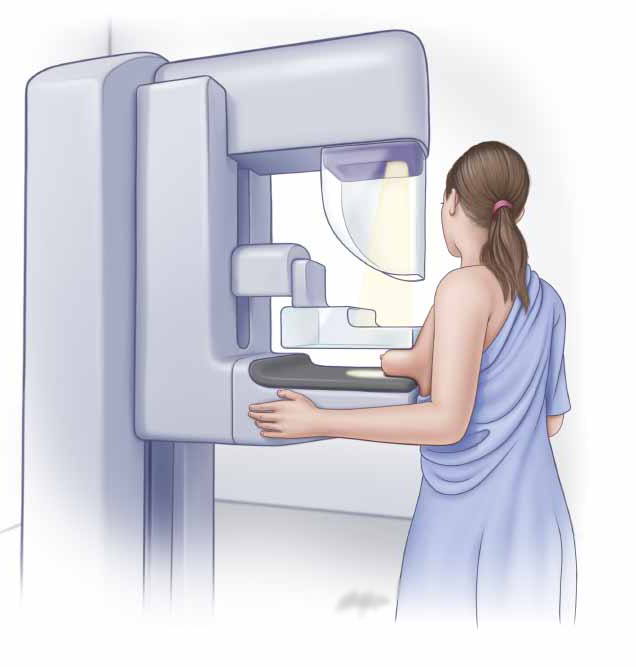
Unilateral / Bilateral Mammogram
Unilateral Mammogram
A mammogram is a specialized X-ray used to examine breast tissue for early detection of abnormalities. A unilateral mammogram focuses on one breast, usually recommended when there are specific symptoms such as pain, lump, or follow-up evaluation.
Bilateral Mammogram
A bilateral mammogram examines both breasts and is commonly used for routine screening and comparative analysis.
Benefits of a Mammogram
- Helps detect breast cancer at an early stage
- Increases chances of successful treatment
- Can identify changes before symptoms appear
- Supports better long-term breast health monitoring
- Quick, safe, and non-invasive screening procedure
- Provides peace of mind through regular check-ups
Annual Screening
Annual mammogram screening is recommended to help detect breast abnormalities early, even before physical symptoms develop. Regular yearly screening plays a key role in early diagnosis and improved treatment outcomes.
Who Should Do a Mammogram?
- Women aged 40 and above should consider annual screening
- Women with a family history of breast cancer
- Individuals with previous breast lumps or abnormalities
- Women experiencing breast pain, discharge, or changes in breast shape
- Those at higher risk due to genetic or hormonal factors
- As advised by a healthcare professional based on medical history
Ask what you want to know
Frequently Asked Questions
1. What is a mammogram?
A mammogram is a specialized breast X-ray used to detect early signs of breast abnormalities and support breast cancer screening.
2. Who should undergo a mammogram?
Women over the age of 40, individuals with family history of breast cancer, or those experiencing breast-related symptoms may be advised to undergo screening.
3. Is a mammogram painful?
Some women may experience mild discomfort or pressure during the scan, but the procedure is usually quick and well tolerated.
4. How long does a mammogram take?
A mammogram typically takes around 15 to 30 minutes, including preparation and imaging.
5. Why is regular mammogram screening important?
Regular mammograms help detect breast changes early, improving the chances of timely treatment and better health outcomes.